
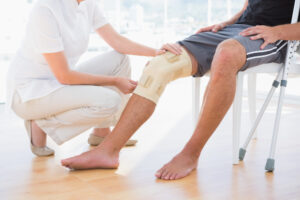
What Are Ligament Injuries?
Ligament injuries happen when the tough bands of tissue that connect bones get stretched or torn. These injuries are common in sports and daily life. In the United States, many people visit doctors each year for ligament problems. Because ligaments help keep joints stable, an injury can make moving painful or hard. For example, sprained ankles and torn knees are types of ligament injuries. Sometimes, these injuries are mild. Other times, they can be severe and need medical care.
Common Symptoms of Ligament Injuries
Recognizing the symptoms of ligament injuries is important. Early care can help prevent more damage. Usually, people notice symptoms soon after an injury. However, some signs may appear later. Watch for these symptoms of ligament injuries:
If you notice these symptoms, it is wise to see a doctor. Quick action can help with ligament injury recovery.
Causes and Risk Factors
Many things can cause ligament injuries. Often, these injuries happen during sports or accidents. For instance, twisting your ankle or knee can stretch or tear a ligament. But, even simple falls at home may lead to injury. In addition, some factors raise your risk:
Because age and activity level also play a role, older adults and athletes may face higher risks.
How Ligament Injuries Are Diagnosed
Doctors use several steps for ligament injury diagnosis. First, they ask about your symptoms and how the injury happened. Next, they check your joint for pain, swelling, and movement. Sometimes, doctors use special tests to see how stable your joint is. For a clear view, they may order imaging tests such as:
With these steps, doctors can find out how serious the ligament injury is. This helps them choose the best treatment for ligament injuries.
Treatment Options for Ligament Injuries
Treatment for ligament injuries depends on how bad the injury is. Mild injuries often heal with simple care. However, severe tears may need more help. Common treatments include:
Because each injury is different, doctors create a plan that fits your needs. Early treatment can speed up ligament injury recovery and lower the risk of problems.
Recovery Process and Timeline
Recovery from ligament injuries takes time. For mild sprains, healing may take a few weeks. However, more serious injuries can need months. The recovery process often includes:
Because everyone heals at a different pace, your timeline may vary. Staying patient and active in your care can help you get better faster.
Tips for Preventing Ligament Injuries
While not all ligament injuries can be avoided, you can lower your risk. Try these tips for prevention:
With these steps, you can help protect your joints and lower the chance of ligament injuries.
Conclusion
If you have symptoms of a ligament injury or want advice on recovery, Dr Jayaprakash is here to help. Book a consultation today to get the right care for your joint health.