
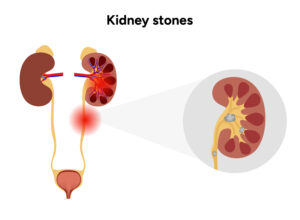
Introduction: What Are Kidney Stones?
Kidney stones are hard lumps that form inside your kidneys. They can cause pain and other health problems. Because kidney stones can block the flow of urine, they may lead to infections or kidney damage if not treated. Early signs of kidney stones are important to notice. Knowing these warning signs can help you get help quickly and avoid serious issues.
Common Warning Signs and Symptoms of Kidney Stones
Often, kidney stones do not cause symptoms until they move. However, once they start to pass, you may notice clear signs. For example, you might feel pain or see changes in your urine. Here are some common kidney stone symptoms:
Because these symptoms can also point to other problems, it is important to pay attention to your body. If you notice any of these signs, you should not ignore them.
When to Seek Medical Help
Sometimes, kidney stones can pass on their own. However, you should see a doctor if you have:
In these cases, you may need urgent care. Early treatment can prevent more serious problems. When to see a doctor for kidney stones depends on your symptoms and how you feel. If you are unsure, it is always safer to ask a healthcare professional.
Causes and Risk Factors
Kidney stones form when minerals and salts build up in your urine. Over time, these can stick together and make a stone. Several things can raise your risk, such as:
Because these risk factors can add up, it is important to know your own risks. Making healthy choices can lower your chances of getting kidney stones.
How Are Kidney Stones Diagnosed?
Doctors use several methods to find kidney stones. First, they may ask about your symptoms and health history. Next, they might order tests, such as:
With these tests, your doctor can find the size and location of the stone. This helps them choose the best treatment for you.
Treatment Options for Kidney Stones
Treatment depends on the size and type of kidney stone. For small stones, you may only need to drink more water and take pain medicine. However, larger stones may need other treatments, such as:
Your doctor will decide which treatment is best for you. Because each case is different, always follow your doctor’s advice.
Prevention Tips and Lifestyle Guidance
Although kidney stones can be painful, you can lower your risk. Here are some tips to help prevent kidney stones:
Because prevention is easier than treatment, these steps can help protect your kidneys. If you have had kidney stones before, talk to your doctor about a plan to keep them from coming back.
Conclusion: Take Action for Your Kidney Health
Kidney stones can cause serious pain and health problems. However, knowing the warning signs of kidney stones can help you get help early. If you notice symptoms or have concerns, do not wait. Consult Dr Jayaprakash for personalized advice and care.