
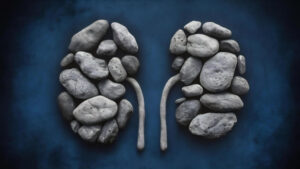
Kidney stones are hard deposits that form inside your kidneys. These stones can cause severe pain and other health problems. Because kidney stones are common, it is important to know their signs, causes, and how to prevent them. Early treatment can help avoid serious issues. In this blog, you will learn about the symptoms of kidney stones, what causes them, how doctors diagnose them, treatment options, and tips to prevent kidney stones. You will also find helpful advice from urologists.
Symptoms of Kidney Stones
Often, kidney stones do not cause symptoms until they move in your kidney or pass into your ureter. However, when this happens, you may notice several signs of kidney stones. For example, you might feel sudden, sharp pain in your back or side. In addition, you could notice other symptoms such as:
If you notice these symptoms, you should seek medical help. Early care can prevent more serious problems.
Causes and Risk Factors
Kidney stones form when minerals and salts build up in your kidneys. There are several causes and risk factors. For instance, not drinking enough water can make stones more likely. Also, eating a diet high in salt, sugar, or protein increases your risk. Other risk factors include:
Because these factors can add up, it is important to know your personal risk. Making healthy choices can help lower your chances of getting kidney stones.
Diagnosis of Kidney Stones
Doctors use several tests to diagnose kidney stones. First, they may ask about your symptoms and medical history. Next, they might order urine and blood tests to check for signs of kidney stones. In many cases, imaging tests help find the size and location of the stone. These tests include:
After diagnosis, your doctor will discuss the best treatment options for you.
Treatment Options
Treatment for kidney stones depends on the size and type of stone. Sometimes, small stones pass on their own. In these cases, your doctor may suggest drinking more water and taking pain medicine. However, larger stones may need other treatments. Common kidney stone treatment options include:
Your doctor will choose the best treatment based on your needs. For more details, always follow urologist advice for kidney stones.
Prevention Tips
Preventing kidney stones is possible with a few simple steps. For example, you should drink plenty of water each day. In addition, try to eat less salt and animal protein. Here are more tips on how to prevent kidney stones:
Because prevention is easier than treatment, these steps can help you stay healthy.
When to See a Urologist
Sometimes, kidney stones need expert care. You should see a urologist if you have:
Urologists are doctors who treat kidney stones and other urinary problems. Early advice can help you avoid complications.
Frequently Asked Questions
What are the main signs of kidney stones?
The main signs include sharp pain in your back or side, pain when urinating, and blood in your urine.
How do doctors treat kidney stones?
Treatment depends on the stone’s size. Small stones may pass on their own. Larger stones may need medicine, shock waves, or surgery.
Can kidney stones be prevented?
Yes. Drinking more water and eating a healthy diet can lower your risk. Your doctor can give more tips on how to prevent kidney stones.
Are kidney stones dangerous?
They can be if not treated. Sometimes, stones block urine flow or cause infections. Early treatment is important.
Conclusion and Call-to-Action
In summary, kidney stones can cause pain and other problems. Knowing the symptoms, causes, and prevention tips can help you stay healthy. If you think you have kidney stones, consult a urologist at Aditya Hospital for personalized advice and early care.