
What Is Diabetes?
Diabetes is a health condition that affects how your body uses sugar. Because sugar is your body’s main source of energy, diabetes can cause many problems. There are two main types: type 1 and type 2. In both types, your body has trouble making or using insulin. Insulin is a hormone that helps move sugar from your blood into your cells. Without enough insulin, sugar stays in your blood. Over time, this can harm different organs, including your kidneys. For people living in different regions, access to diabetes care may vary. However, managing blood sugar is important everywhere.
How Diabetes Affects the Kidneys
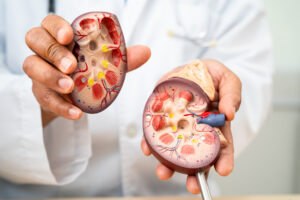
Diabetes and kidney health are closely linked. Your kidneys act as filters. They remove waste and extra water from your blood. When blood sugar stays high, it can damage the tiny blood vessels in your kidneys. As a result, your kidneys may not work as well. Over time, this damage can lead to a condition called diabetic kidney disease. In fact, diabetes is the leading cause of kidney failure worldwide, according to the CDC. Because of this, protecting kidneys with diabetes is very important.
Early Signs and Symptoms of Kidney Problems in Diabetes
Often, kidney damage happens slowly. At first, you may not notice any symptoms. However, early signs of kidney damage in diabetes can include:
Because these signs can be mild, it is important to see your doctor regularly. Early treatment can help prevent diabetic kidney complications.
Risk Factors for Kidney Disease in People with Diabetes
Not everyone with diabetes will have kidney problems. Still, some factors can raise your risk. For example, you may be at higher risk if you:
In some regions, access to healthy foods or medical care may also affect your risk. Because of this, knowing your risk factors is very helpful.
Diagnosis: How Doctors Check Kidney Health in Diabetes
Doctors use simple tests to check your kidney health. First, they may test your urine for protein. Protein in your urine can be an early sign of kidney damage. Next, they may do a blood test to check how well your kidneys filter waste. This test is called eGFR. If you have diabetes and kidney disease, your doctor may check your kidneys more often. Regular check-ups help find problems early. In many areas, these tests are part of routine diabetes care.
Treatment Options for Diabetic Kidney Disease
Treating diabetic kidney disease starts with controlling blood sugar and blood pressure. Because these steps slow kidney damage, they are very important. Your doctor may also suggest:
In some cases, people may need dialysis or a kidney transplant. However, early treatment can help delay these steps.
Lifestyle Tips to Protect Kidney Health with Diabetes
There are many ways to protect your kidneys if you have diabetes. For example, you can:
Because these steps are simple, you can start them at any time. If you live in a hot climate, remember to drink enough fluids to stay hydrated.
Prevention: Steps to Lower Your Risk
Preventing diabetic kidney complications is possible. You can lower your risk by:
Because early action makes a big difference
For trusted guidance and comprehensive care, Consult Dr Jayaprakash