
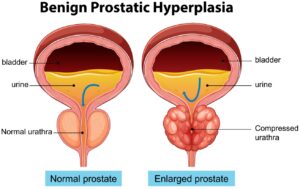
What is Benign Prostatic Hyperplasia (BPH)?
Benign Prostatic Hyperplasia, or BPH, is a common condition in men. It means the prostate gland grows larger. The prostate sits below the bladder and surrounds the urethra, which carries urine out of the body. As men age, the prostate can get bigger. Because of this, it may press on the urethra and cause urinary problems. BPH is not cancer, but it can affect quality of life. According to the CDC, BPH is very common in older men.
Common Symptoms of BPH
Many men with BPH notice changes in how they urinate. For example, symptoms often start slowly and get worse over time. Some common signs include:
However, not all men with an enlarged prostate have symptoms. Still, if you notice changes, it is important to talk to your doctor.
Causes and Risk Factors
BPH develops as men get older. Although the exact cause is not fully known, several factors increase the risk. For instance, age is a major risk factor. Most men over 50 may have some prostate enlargement. Other risk factors include:
Because BPH is linked to aging, it is very common in men over 60. But, younger men can also develop symptoms.
How BPH is Diagnosed
If you have urinary symptoms, your doctor will ask about your health and do a physical exam. Usually, they check the prostate with a simple rectal exam. In addition, tests may include:
Early diagnosis helps manage symptoms and prevent problems.
Treatment Options for BPH
Treatment for Benign Prostatic Hyperplasia depends on how bad the symptoms are. Sometimes, mild cases need only regular check-ups. However, if symptoms bother you, several options are available:
Your doctor will help choose the best treatment for you. For many men, a mix of medicine and lifestyle changes works well.
Prevention Tips and Lifestyle Guidance
While you cannot always prevent BPH, healthy habits may lower your risk. For example, you can:
Because these steps support overall men’s health, they may also help with prostate health.
When to See a Doctor
If you notice changes in urination, do not ignore them. For instance, see a doctor if you have:
Early treatment can prevent complications. Even if symptoms are mild, it is wise to get checked.
Conclusion
Benign Prostatic Hyperplasia is a common cause of urinary symptoms in men. Although it is not cancer, it can affect daily life. With the right care, most men manage symptoms well. Consult Dr Jayaprakash for personalized advice on BPH.