
What is Traumatic Brain Injury?
Traumatic brain injury, often called TBI, happens when a sudden force damages the brain. This injury can result from a blow, bump, or jolt to the head. Sometimes, an object can even pierce the skull and harm the brain. Because the brain controls many body functions, a TBI can affect thinking, movement, and emotions. While some injuries are mild, others can be severe and life-changing. Early care and support can help improve recovery.
Common Causes of Traumatic Brain Injury
Many situations can lead to traumatic brain injury. However, some causes are more common than others. Knowing these can help you stay alert and safe.
Because these causes are common, taking safety steps is important.
Recognizing Symptoms of Traumatic Brain Injury
Symptoms of traumatic brain injury can appear right away or develop over time. Early signs may be mild, but they can get worse. Therefore, knowing what to look for is key.
If you notice these symptoms after a head injury, seek medical help right away. Quick action can prevent further harm.
How Traumatic Brain Injury is Diagnosed
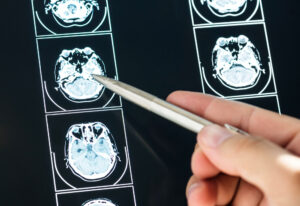
Doctors use several steps to diagnose traumatic brain injury. First, they ask about the injury and symptoms. Next, they perform a physical exam. Often, they check how well you can move, speak, and remember things. In many cases, doctors use imaging tests like CT scans or MRIs. These tests show if there is bleeding, swelling, or other damage in the brain. Sometimes, doctors may monitor you for a few hours or days to watch for changes. Early diagnosis helps guide the best treatment plan.
Treatment Options for Traumatic Brain Injury
Treatment for traumatic brain injury depends on how severe the injury is. For mild cases, rest and close monitoring may be enough. However, more serious injuries need extra care.
Because every injury is different, treatment plans are tailored to each person. Always follow your doctor’s advice for the best results.
Prevention Tips for Traumatic Brain Injury
While not all injuries can be avoided, many can be prevented. Simple steps can lower your risk of traumatic brain injury.
By taking these actions, you help protect yourself and your loved ones from TBI.
Living with Traumatic Brain Injury: Lifestyle Guidance
After a traumatic brain injury, life can feel different. However, many people recover well with the right support. It is important to follow your treatment plan and attend all therapy sessions. In addition, try to get enough rest and eat healthy foods. Staying connected with family and friends can help your mood. If you feel sad or anxious, talk to your doctor or a counselor. Remember, recovery takes time, but small steps can make a big difference. Support groups can also offer helpful advice and encouragement.
For personalized advice on traumatic brain injury, consult specialist in Aditya Hospital . Early care and support can improve your recovery and quality of life.