
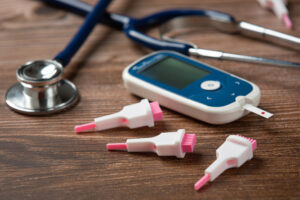
What is an Insulin Pump?
An insulin pump is a small device that helps people with diabetes manage their blood sugar. It delivers insulin to the body throughout the day. Unlike daily injections, an insulin pump gives steady doses. Many people find it easier to use for diabetes management. In recent years, more people have chosen insulin pumps for better control.
How Does an Insulin Pump Work?
Insulin pumps work by sending insulin through a thin tube under the skin. This tube is called a cannula. The pump gives a small, steady amount of insulin all day. This is called the basal rate. When you eat, you can give extra insulin, called a bolus, with the push of a button. Because of this, you can match your insulin to your meals and activity.
Benefits of Using an Insulin Pump
There are many insulin pump benefits for people with diabetes. For example, pumps can help keep blood sugar levels steady. They also reduce the need for multiple daily injections. In addition, they make it easier to adjust insulin for meals and exercise. Here are some key benefits:
According to the American Diabetes Association, insulin pumps can lower the risk of long-term problems from diabetes.
Who Can Use an Insulin Pump?
Not everyone with diabetes needs an insulin pump. However, many people with type 1 diabetes use them. Some people with type 2 diabetes may also benefit. Your doctor will help decide if a pump is right for you. Usually, people who want better blood sugar control or have trouble with injections may be good candidates. Children, teens, and adults can all use insulin pumps.
Steps for Safe and Effective Use
Using an insulin pump safely is important. Because of this, you should follow these steps:
In addition, always watch for signs of high or low blood sugar. If you feel unwell, check your blood sugar right away.
Common Myths and Facts
There are many myths about insulin pumps. Let’s look at some facts:
Possible Risks and How to Prevent Them
While insulin pumps are helpful, there are some risks. For instance, the tube can get blocked or fall out. This may cause high blood sugar. Infections can also happen at the site. However, you can lower these risks by:
If you notice any problems, contact your doctor right away. Early action can prevent serious issues.
Frequently Asked Questions (FAQs)
Conclusion
In summary, an insulin pump can make diabetes management easier and more flexible. It offers many benefits, but safe use is key. If you think an insulin pump may help you, talk to your doctor. Consult Dr Jayaprakash for personalized advice on insulin pump use.