
Introduction
Diverticulitis is a common digestive health problem. It affects many adults, especially as they age. Early signs can be mild, but sometimes, symptoms become serious. In this blog, you will learn about diverticulitis symptoms, causes, diagnosis, treatment, and how to prevent diverticulitis. Knowing these facts can help you take better care of your digestive health.
What is Diverticulitis?
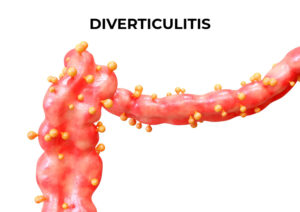
Diverticulitis happens when small pouches, called diverticula, form in the wall of the colon and become inflamed or infected. These pouches are common in people over age 40. Usually, they do not cause problems. However, when they get swollen or infected, it leads to diverticulitis. This condition can cause pain and other symptoms. It is important to treat diverticulitis early to avoid complications.
Symptoms of Diverticulitis
Recognizing diverticulitis symptoms early can help you get the right treatment. Most people notice pain in the lower left side of the belly. However, other signs may also appear. Watch for these common symptoms:
Sometimes, symptoms can be mild. But if pain is severe or you have a high fever, seek medical help right away.
Causes and Risk Factors
Diverticulitis develops when the small pouches in the colon become inflamed or infected. But what causes this to happen? Several factors can increase your risk:
Because these factors can add up, making healthy choices is important for your digestive health.
Diagnosis
Doctors use several methods to diagnose diverticulitis. First, they ask about your symptoms and medical history. Next, they may press on your belly to check for pain. In many cases, tests are needed to confirm the diagnosis. These may include:
Sometimes, doctors use other tests if needed. Early diagnosis helps prevent serious problems.
Treatment Options
Treatment for diverticulitis depends on how severe your symptoms are. For mild cases, doctors often suggest rest and a special diet. Sometimes, antibiotics are needed to treat infection. Here are common treatment steps:
For severe cases, you may need to stay in the hospital. Rarely, surgery is needed if there are complications like a tear or abscess. Always follow your doctor’s advice for the best results.
Lifestyle and Dietary Guidance
After treatment, making healthy changes can help prevent future attacks. Eating more fiber is key. Fiber softens stool and lowers pressure in the colon. Try these tips:
Because every person is different, talk to your doctor before making big changes to your diet.
Prevention Tips
Preventing diverticulitis is possible with healthy habits. Here are some simple ways to lower your risk:
Making these changes can support your digestive health and help prevent diverticulitis.
When to See a Doctor
If you have ongoing belly pain, fever, or changes in your bowel habits, see a doctor soon. Early treatment can prevent serious problems. However, if you notice severe pain, high fever, or blood in your stool, seek medical help right away. These may be signs of a serious problem that needs urgent care.
For personalized advice on diverticulitis, consult a gastroenterologist at Aditya Hospital. They can help manage your symptoms and ensure your digestive health is protected.